Country Arts SA pays respect to Aboriginal and Torres Strait Islander peoples and recognises their continuing connection and spiritual relationship to these lands, waters and skies. We are committed to listening and helping care for Country, and safeguarding, sharing and celebrating First Nations’ living cultures.
KUMARANGK Behind the Scenes: Blak stories in Blak hands
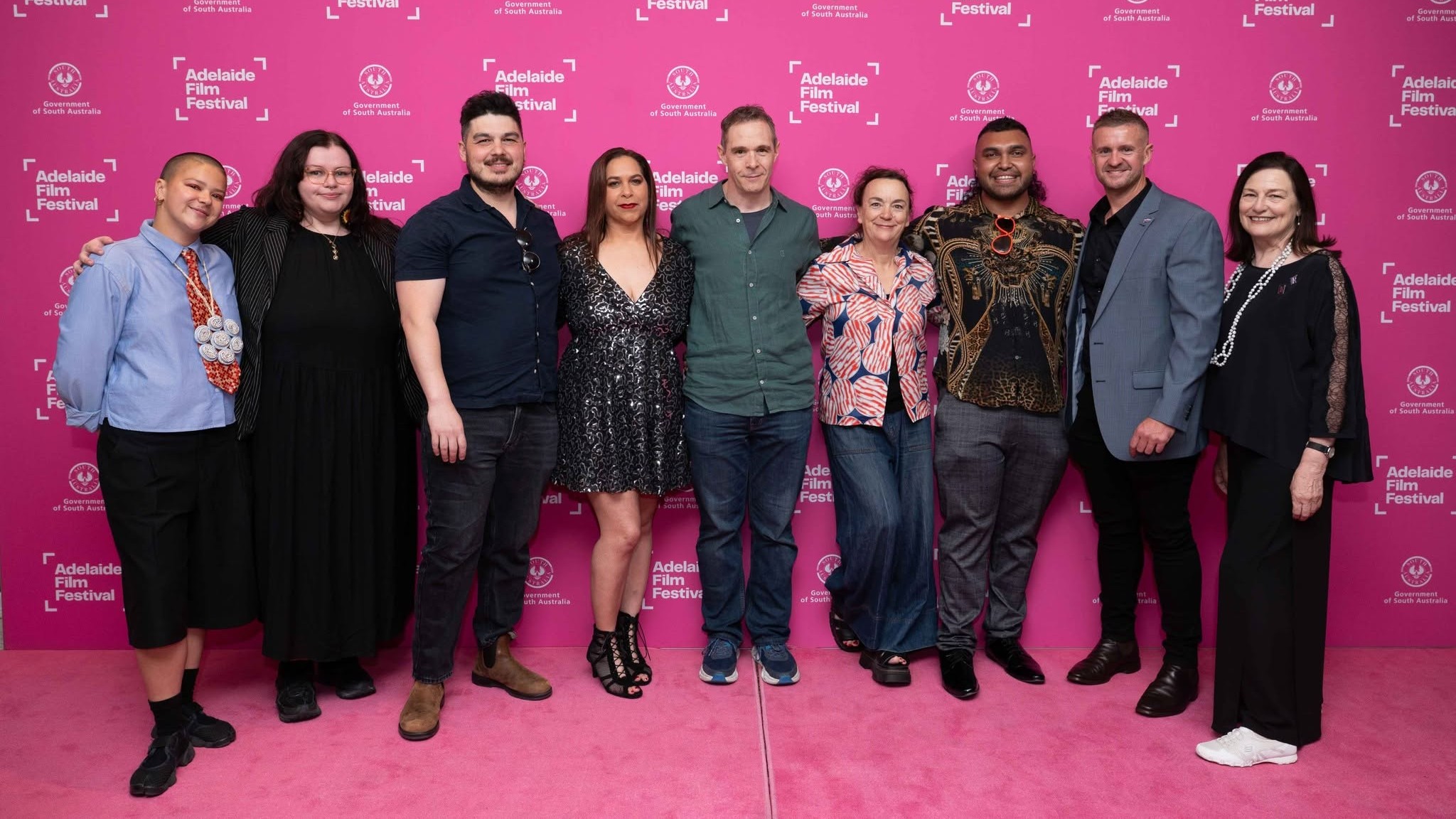
Kumarangk: Sacred Women’s Business is a Blak story not only on-screen but behind the scenes, providing a major employment and skill-building opportunity for emerging and early-career First Nations film creatives.
“I’m confident that what we’re actually doing is Australian best practice, if not world best practice.”
Long before he co-produced Kumarangk: Sacred Women’s Business, Ngarrindjeri filmmaker Josh Trevorrow aspired to create culturally safe and productive workplaces for First Nations people working in film.
“Very early on in my journey, I could see the skills, the creativity were definitely here in South Australia, but there just wasn’t enough opportunity and pathways for mob,” Josh said.
“There’s such cultural nuance to navigate with these things, and it’s understanding how Aboriginal people work, how that differs from conventional workflow and timelines, and having those cultural considerations like Sorry Business and community complexity.
“This Kumarangk project was the perfect platform to realise that and put it into practice.”
Firstly, Josh and the First Nations Kumarangk team at Country Arts SA carried out a six-month process of consulting and collaborating with key women at the centre of the Kumarangk story, who are now known as the Ngarrindjeri mi:mini Cultural Authority, to consider Indigenous Cultural Intellectual Property and create nuanced cultural permission agreements.
Made possible with funding from Create SA, they also devised a strategy to build the capacity of emerging First Nations film creatives by pairing them with experienced heads of department, or non-Aboriginal mentors where needed.
First-time feature director Tracey Rigney (Wotjobaluk/Ngarrindjeri) worked with seasoned filmmaker Larissa Behrendt (Eualeyai/Kamilaroi) from scriptwriting through to post-production.
“Larissa worked with Tracey on really finding her voice I think, and you can see that within the film,” Josh said.
“It started out as a very different project and now Tracey’s actually a big part of the story through her familial connection to it.”
Meanwhile, Josh was paired with “one of SA’s most experienced factual producers” Carolyn Johnson.
“We both bring very different skillsets but we’re both learning a lot,” he said.
“For me, it’s not just about the First Nations creatives in this learning, it’s actually about taking some of the non-Aboriginal folks along the journey as well.
“It’s a very reciprocal, shared experience that we both benefit from, and it’s been very rewarding both personally and professionally working with Caro.”
In the crew, four of 10 members on set were First Nations, including Ngarrindjeri emerging cinematographer Victor Koolmatrie paired with skilled Director of Photography Johanis Lyons-Reid.
In post-production, long-time editor Andrea Lang worked with up-and-coming editor Clare Elvia (Badimia Yamatji), who began in an editing attachment role but evolved into an assembly editor due to her outstanding contribution. Clare also created the film’s trailer.
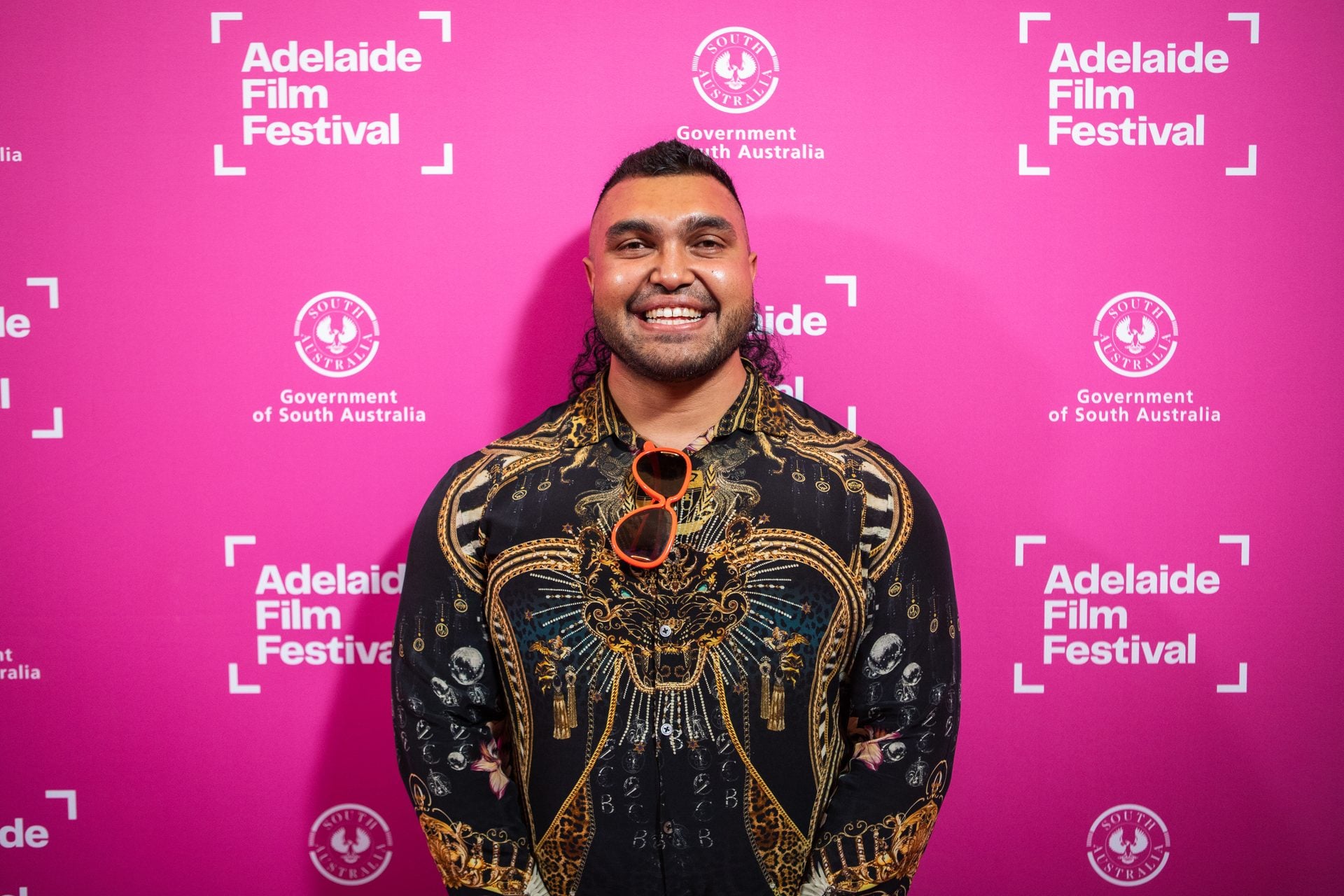
Budding music producer Jerome Oosting (Waanyi Garawa) had the opportunity to work with AACTA Award-winning composer Amanda Brown on the sound that would accentuate the emotional rollercoaster of a documentary.
Jerome started scoring films three years ago, having previously worked with rappers and pop artists on contemporary music.
“This is honestly some of my favourite work I’ve done and it’s stuff I’ve not really done before,” he said.
“I’ve worked making beats – it’s very formulaic, you’ve got your drums and your melody – whereas with this there’s no artist over the top, you let your music shine.
“So, learning how to make music that satisfies the story but also how the music interacts with the overall dialogue.
“(Kumarangk) has really stretched my sound, skills and imagination and made me realise I have an ear for things more than just contemporary music.
“I can look at other opportunities and say I can do that now.”
The 26-year-old said working on a First Nations story was significant for him, especially since his grandmother was of the Stolen Generations.
Josh also noted the momentousness of two First Nations producers making their feature debuts in this year’s Adelaide Film Festival program (himself for Kumarangk, and Lilla Berry for Lucrum).
“We’ve never had a shortage of creative mob when it comes to writing and directing but what we’ve lacked is Aboriginal producers,” he said.
“That’s where a lot of the business happens and also where those culturally safe spaces are created, because you’re keeping Blak stories in Blak hands.”
Kumarangk: Sacred Women’s Business had its world premiere at the 2026 Adelaide Film Festival on October 17, and sold out all six of its metro screenings.
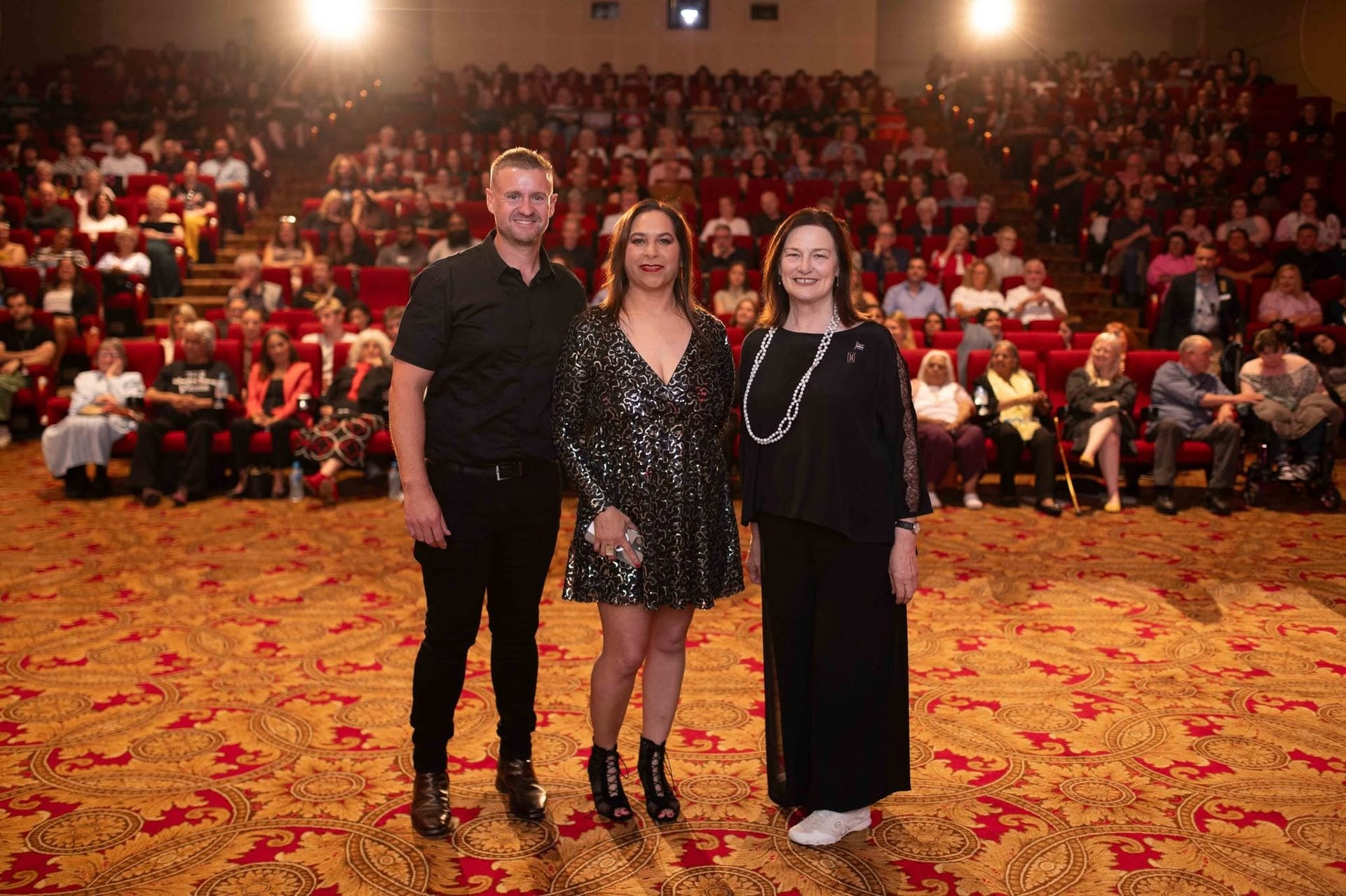
Main image: Some of the Kumarangk: Sacred Women’s Business production team at the film’s world premiere – Jayda Wilson, Clare Elvia, Johanis Lyons-Reid, Tracey Rigney, Tom Heuzenroeder, Andrea Lang, Jerome Oosting, Josh Trevorrow, Carolyn Johnson. Credit, all photos: Naomi Jellicoe.